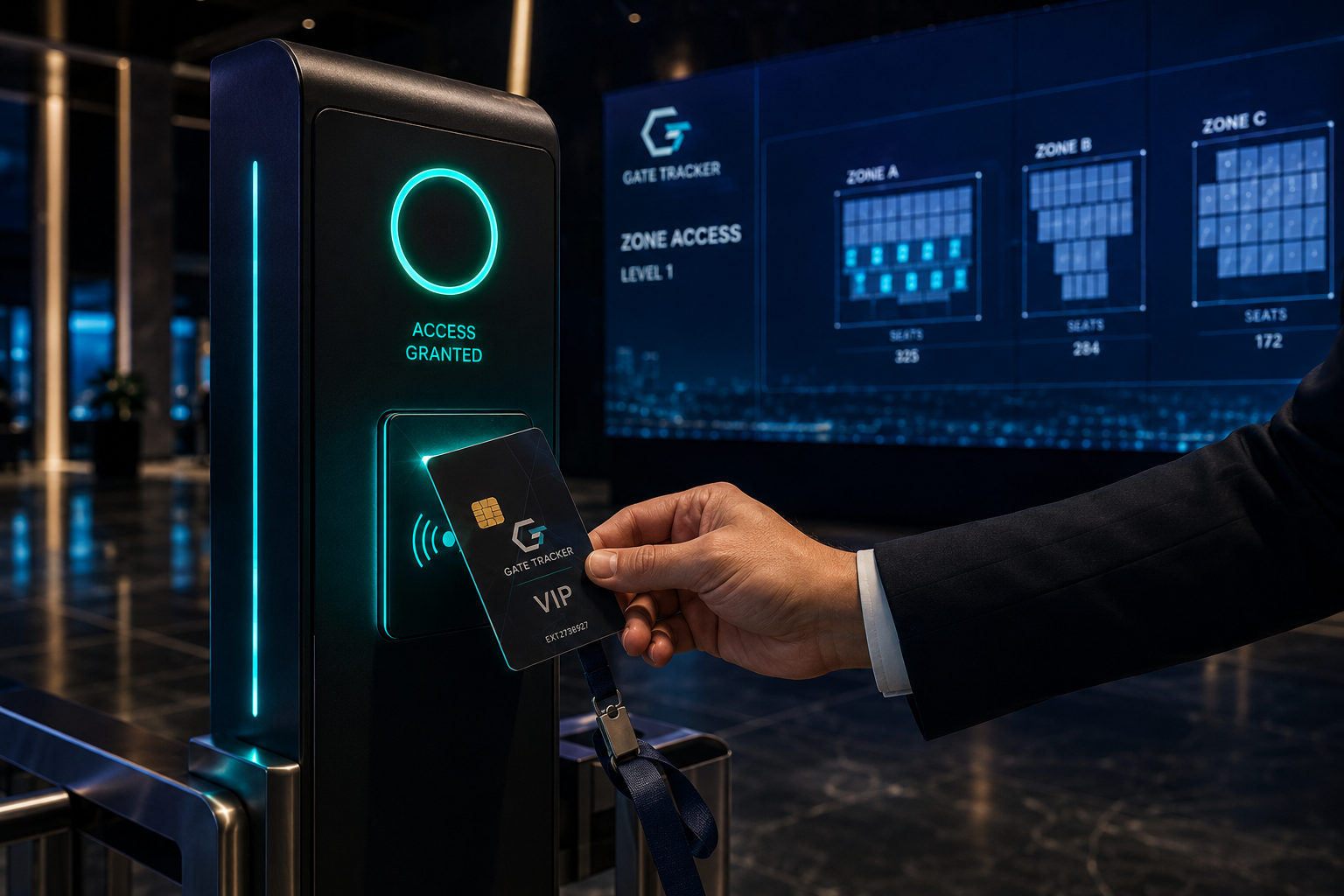
When deploying security perimeters for high-profile summits, understanding robust event accreditation workflows is what separates organized high-throughput entries from chaotic main gate bottlenecks. Partnering with premier event companies in riyadh ensures your security screening layers balance strict verification protocols with attendee comfort.
Registration vs. Event Accreditation Systems
Basic entry workflows simply answer who is attending your conference. True event accreditation solutions verify identity, establish zone permissions, and prevent unauthorized tier manipulation across sensitive facility perimeters. While simple data forms suffice for public expos, government forums and international summits use dedicated software layers to clean databases, balance workloads, and run automated verification logic.
The Event Accreditation Process, Step by Step
- Identity Capture: Attendees upload identification credentials via a secure online portal during initial entry setup.
- Category Assignment: Security administrators run background validations and sort profiles into distinct data groups.
- Credential Issuance: Production teams print heavy card stock or specialized badges locally.
- Perimeter Verification: Gate operators verify active credentials at internal zone entrances.
- Audit Trail Logging: Network nodes track spatial movement data to compile comprehensive high-level utilization reports.
Tiered Attendee Categories and Access Levels
To run high-volume venues safely, leading event management companies riyadh utilize strict categorization matrices inside their master database. This structural mapping ensures clear physical visibility over various occupant profiles:
| Category | Typical Access Permissions |
|---|---|
| Public / General | Open public spaces, exhibition hall floors, and open session rooms. |
| VIP & Speakers | Priority check-in lanes, executive lounges, main stages, and private boardrooms. |
| Crew & Staff | Operational zones, back-of-house areas, service elevators, and control rooms. |
| Press & Media | Dedicated media workrooms, interview bays, and designated main hall coverage points. |
| Exhibitors & Contractors | Booth deployment zones during specific time-bound setup and teardown windows. |
| Restricted / Secured | High-security tactical zones limited strictly to a pre-approved, named verification list. |
Verified Entry and the Hardware Audit Trail
Data accuracy means nothing if your onsite entry architecture cannot enforce tier rules. Integrating a localized rfid Badge framework allows system scanners to read and validate incoming guests within seconds, eliminating manual scanning bottlenecks. According to technical documentation compiled by the Professional Convention Management Association, modern enterprise networks require computing nodes that maintain full operational functionality through edge synchronization protocols even during complete venue internet outages. This level of operational care remains a necessity for flawless event accreditation management.
Deploying Premium Hardware via Technology Rental Contracts
Procuring unmanaged hardware lines creates massive logistical liability for multi-day conventions. True efficiency comes from end-to-end setups where a high-velocity zebra printer fleet, secure single-session registration laptops, and interactive user terminals are configured precisely to custom local area networks. For high-volume public entry paths, deploying an automated self service kiosk ecosystem allows general admission groups to print verified credentials independently, optimizing your local resource distribution.
Frequently asked questions
What is the core difference between registration and event accreditation?
Registration creates a record of who is attending your event. Accreditation maps identity to a specific security class, issues a cryptographically protected id card or wristband, and controls physical entry permissions across different zones.
How do scanning devices confirm credential validity at perimeter gates?
Each badge features a custom barcode or contact chip. When an attendee approaches a gate, automated scanning platforms evaluate their access profile, ensure zero duplication via anti-passback rules, and log timestamp data instantly.
Can clearance rules change dynamically during an ongoing live event?
Yes. When using centralized, cloud-connected databases, an administrator can instantly adjust an executive's profile clearance parameters. These backend modifications sync across edge network switches immediately without requiring any physical reprint loops.
Planning a secure enterprise event in the GCC?
Tell us your expected numbers and safety guidelines, and we'll engineer a tailored blueprint.